Short answer: A hydraulic cylinder overhaul involves disassembling and cleaning the cylinder, measuring and inspecting the barrel and rod, replacing worn sealing elements, re-plating or replacing the rod if necessary, and getting the cylinder ready for service again with a pressure test. External oil leaks, drifting down under load, slowing down, and a scratched rod are the most common symptoms.
Which symptoms indicate the need for an overhaul?
- External oil leak: Oil seeping between the rod and the head or from connection points; this usually indicates that the rod seal or wiper seal is worn.
- Drifting down on its own (internal leakage): A cylinder under load slowly sinking or retracting while the valve is closed; this most often means the piston seal is letting oil pass.
- Slowing down and loss of power: Slower movement at the same pump and pressure can point to internal leakage.
- Shaking or jerky movement: May be caused by worn wear bands, air in the system, or a damaged rod.
- Scratches, dents, or corrosion on the rod surface: A damaged rod surface will quickly ruin new seals as well; this is often the real source of the leak.
The overhaul process step by step
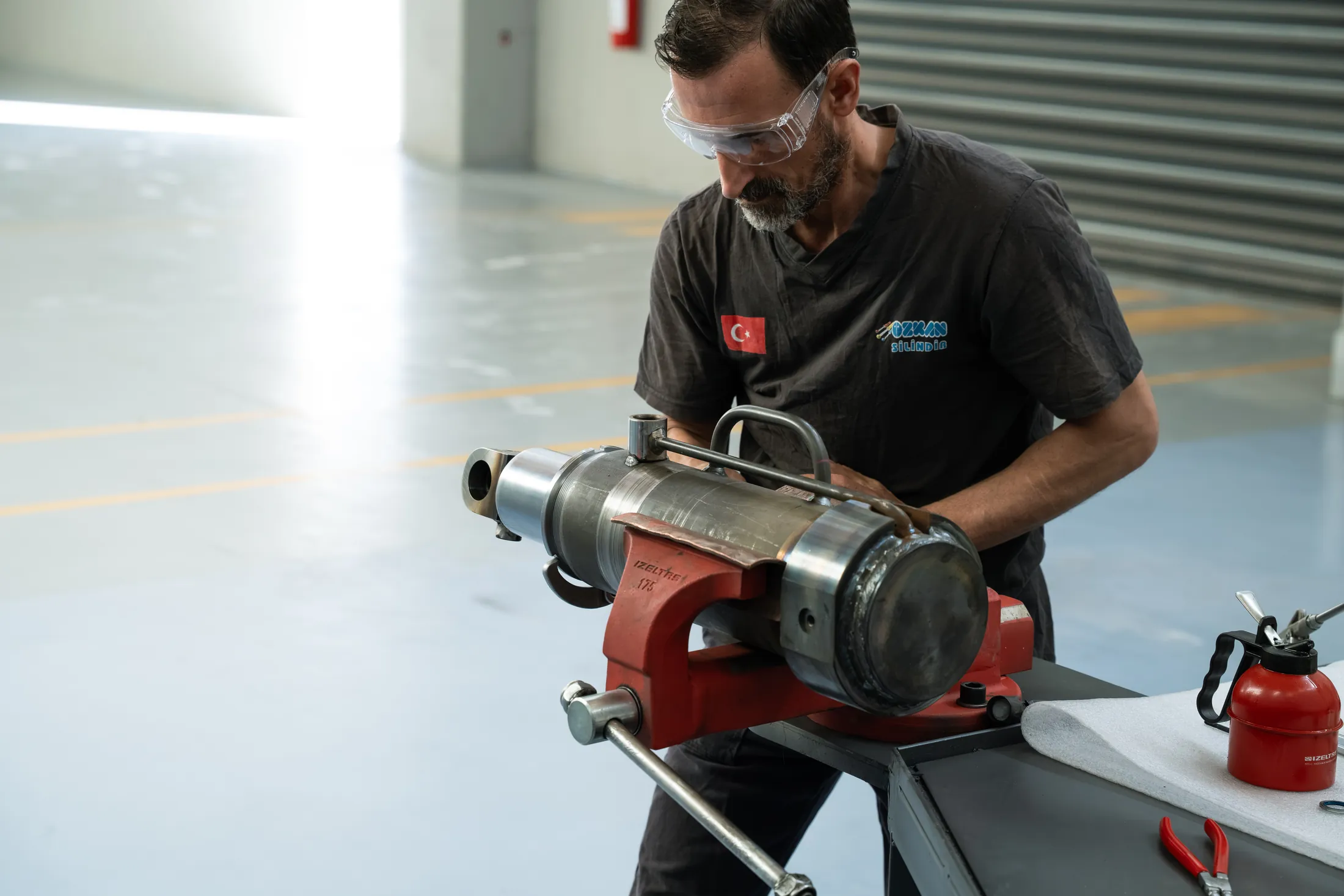
- Disassembly and cleaning: The cylinder is removed from the machine, fully opened, and all parts are cleaned.
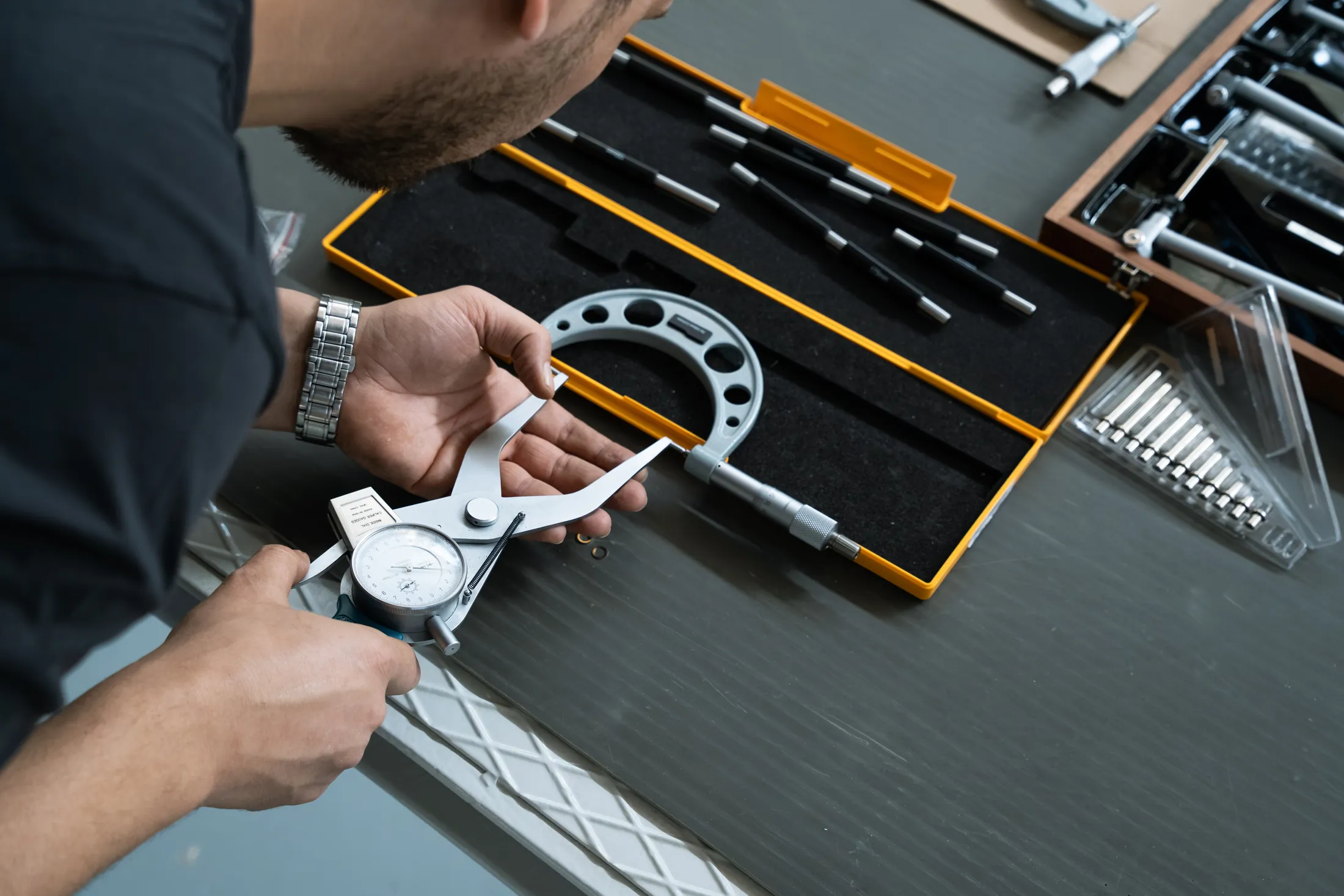
- Measurement and inspection: Barrel inner diameter, ovality, and surface condition are measured, along with the rod's straightness, diameter, and plating condition. The piston, head, and connections are inspected.
- Technical assessment: Based on the measurements, it is determined which parts will be replaced, and a decision is made on whether an overhaul or new manufacture is appropriate.
- Parts replacement: Sealing elements and wear bands are replaced. If necessary, the rod is re-plated or a new rod is manufactured; the barrel is honed or replaced.
- Assembly: The parts are reassembled under proper torque and cleanliness conditions.
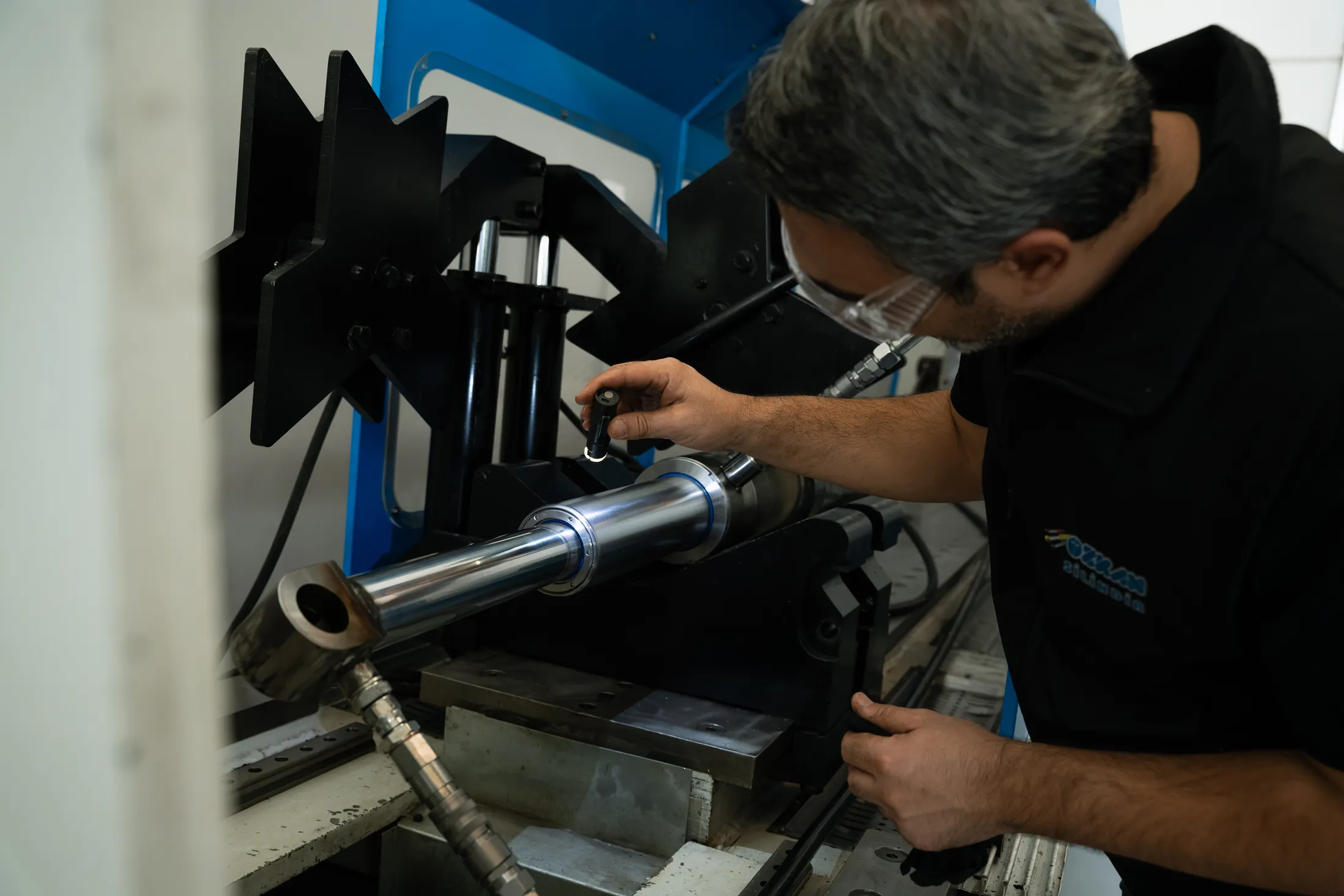
- Pressure test: The cylinder is tested at working pressure on a test bench, and checked for internal and external leakage.
Overhaul or new cylinder?
| Situation | Generally recommended |
|---|---|
| Seal wear only, rod and barrel intact | Overhaul (seal replacement) |
| Superficial scratches on the rod or plating damage | Overhaul (rod re-plating or new rod) |
| Light scratches in the barrel, ovality within tolerance | Overhaul (honing) |
| Deep scratches, ovality, or cracks in the barrel | New barrel or new cylinder |
| Bent rod and damaged connections together | Decide based on cost comparison |
| Application has changed, more force is required | New cylinder |
Maintenance tips that extend cylinder life
- Oil cleanliness: Most hydraulic failures are caused by dirty oil; change filters and oil according to the manufacturer's recommendations.
- Protect the rod: Impacts, weld spatter, and heavy dust damage the rod surface; use a bellows or protective cover if necessary.
- Alignment: Mounting the cylinder correctly so that it does not take side loads extends seal and bearing life.
- Pressure limits: Make sure the relief valve is set correctly; do not exceed the design pressure.
- Early intervention: A small leak that is not fixed in time can damage the rod and barrel, increasing the cost of the overhaul.
At its facility in Bornova, Özkan Silindir carries out new manufacturing as well as hydraulic cylinder overhaul, maintenance, and repair for every bore and length. To assess your cylinder's dimensions, take a look at our dimensions guide, and for force and volume calculations, check out our calculation tool.
Is your cylinder leaking or losing power? Send us the machine type, photos of the cylinder, and the symptoms via the contact form, and our team will get back to you about an overhaul or new manufacture.