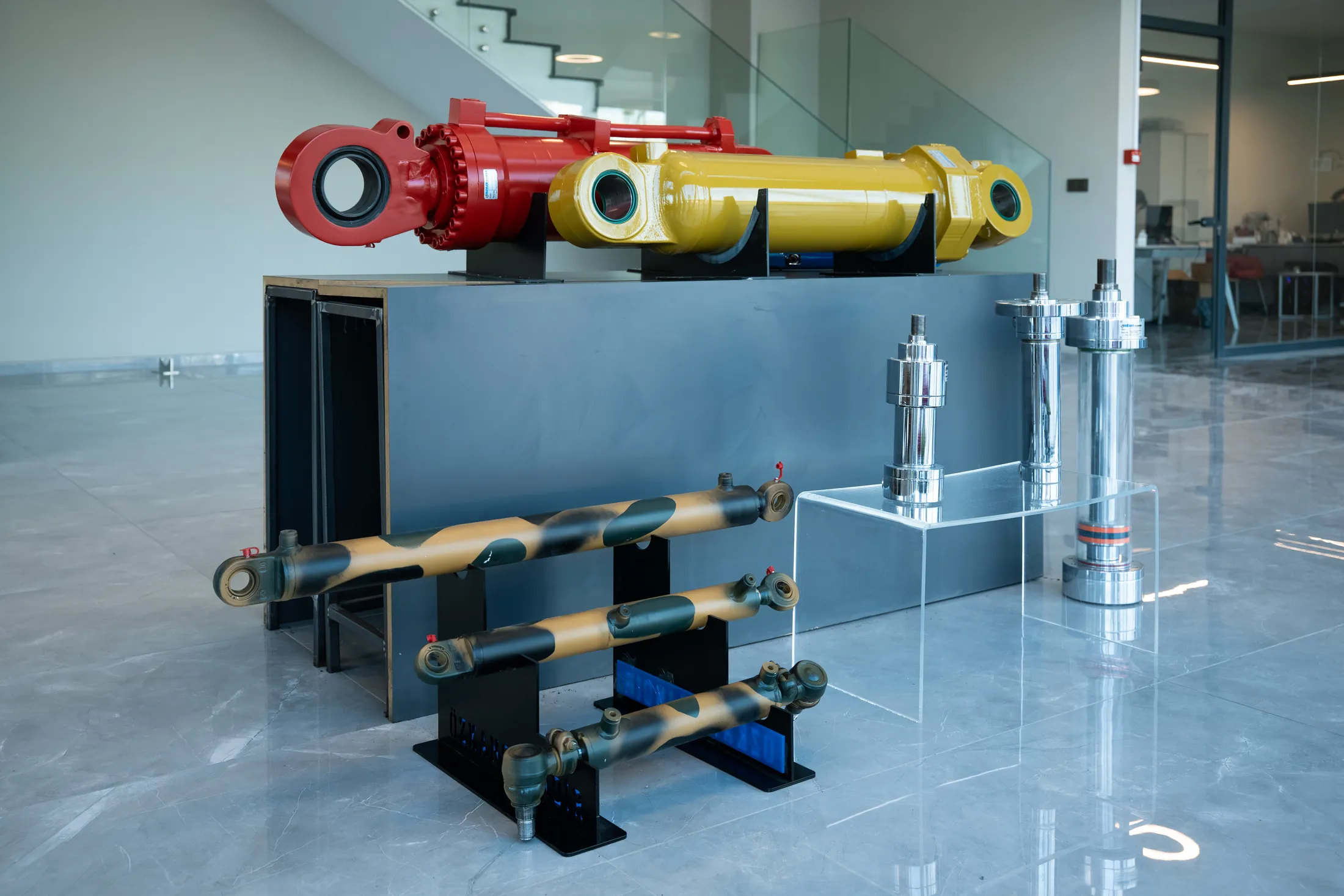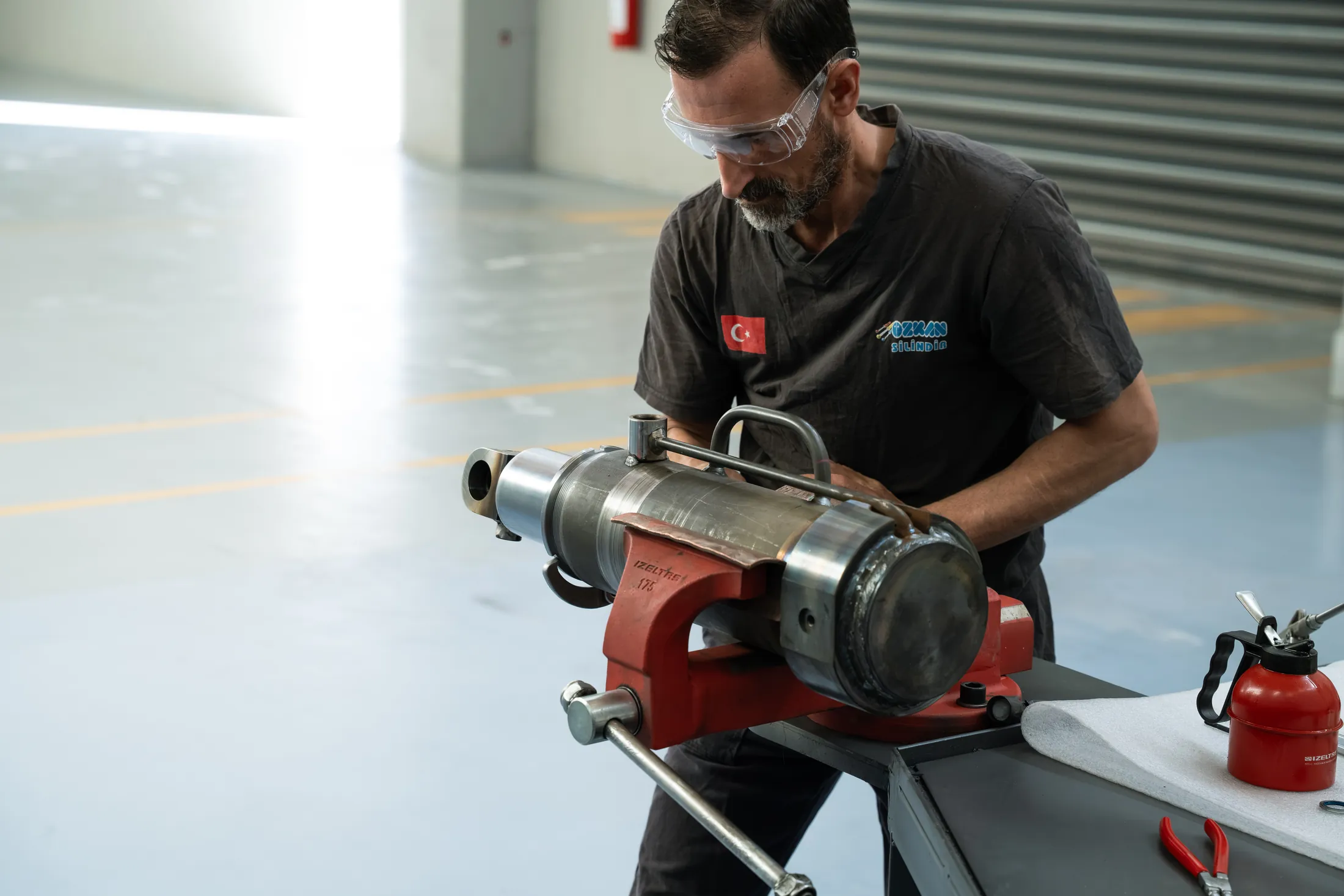
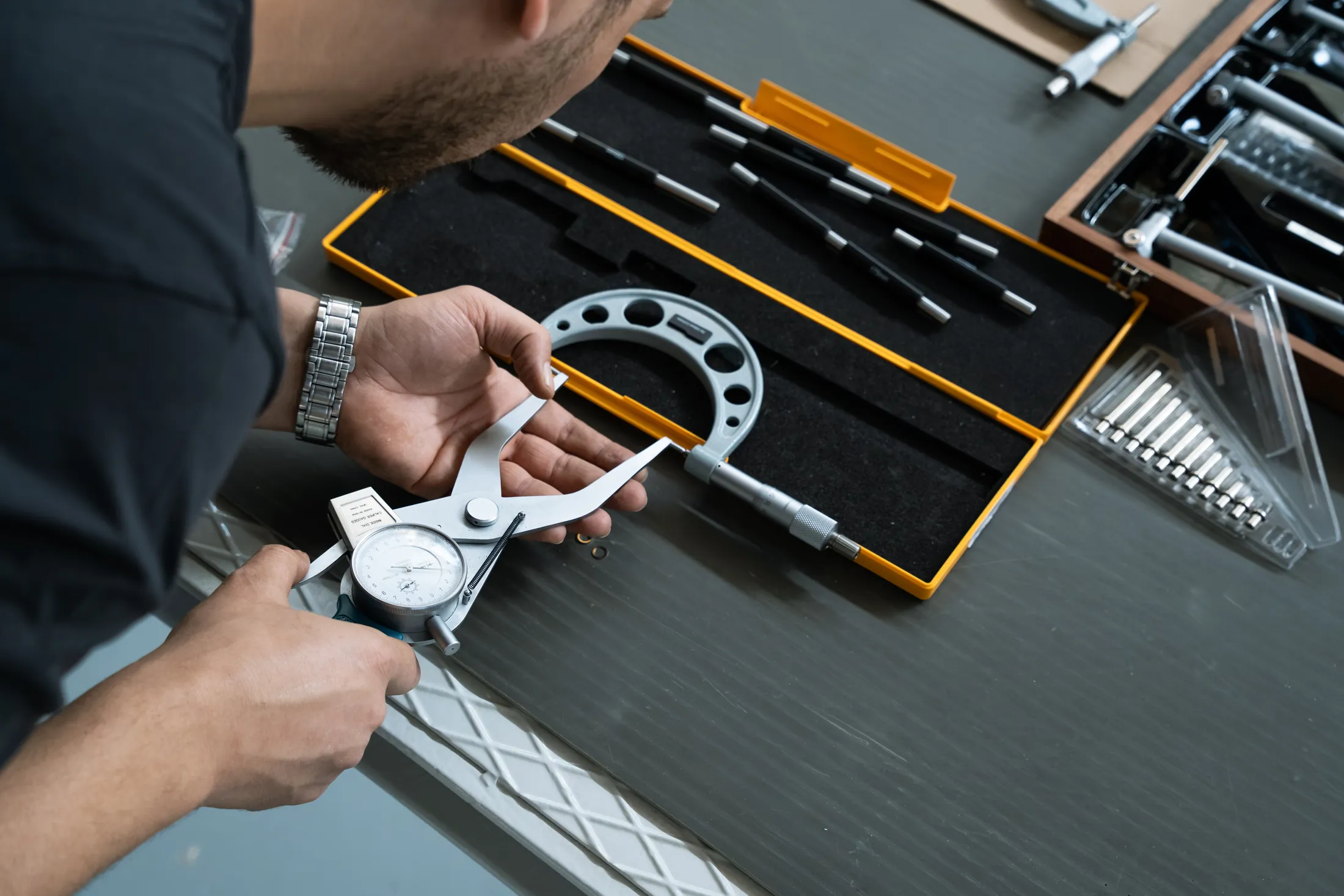
Short answer: For an accurate and fast hydraulic cylinder quote, you need at least the following information: piston (bore) diameter, rod diameter, stroke, retracted length, mounting types and dimensions, working pressure, type and position of the oil inlet ports, and operating conditions. If you are having an existing cylinder refurbished, photos and the information on its label will speed up the process.
1. Piston (bore) diameter — D
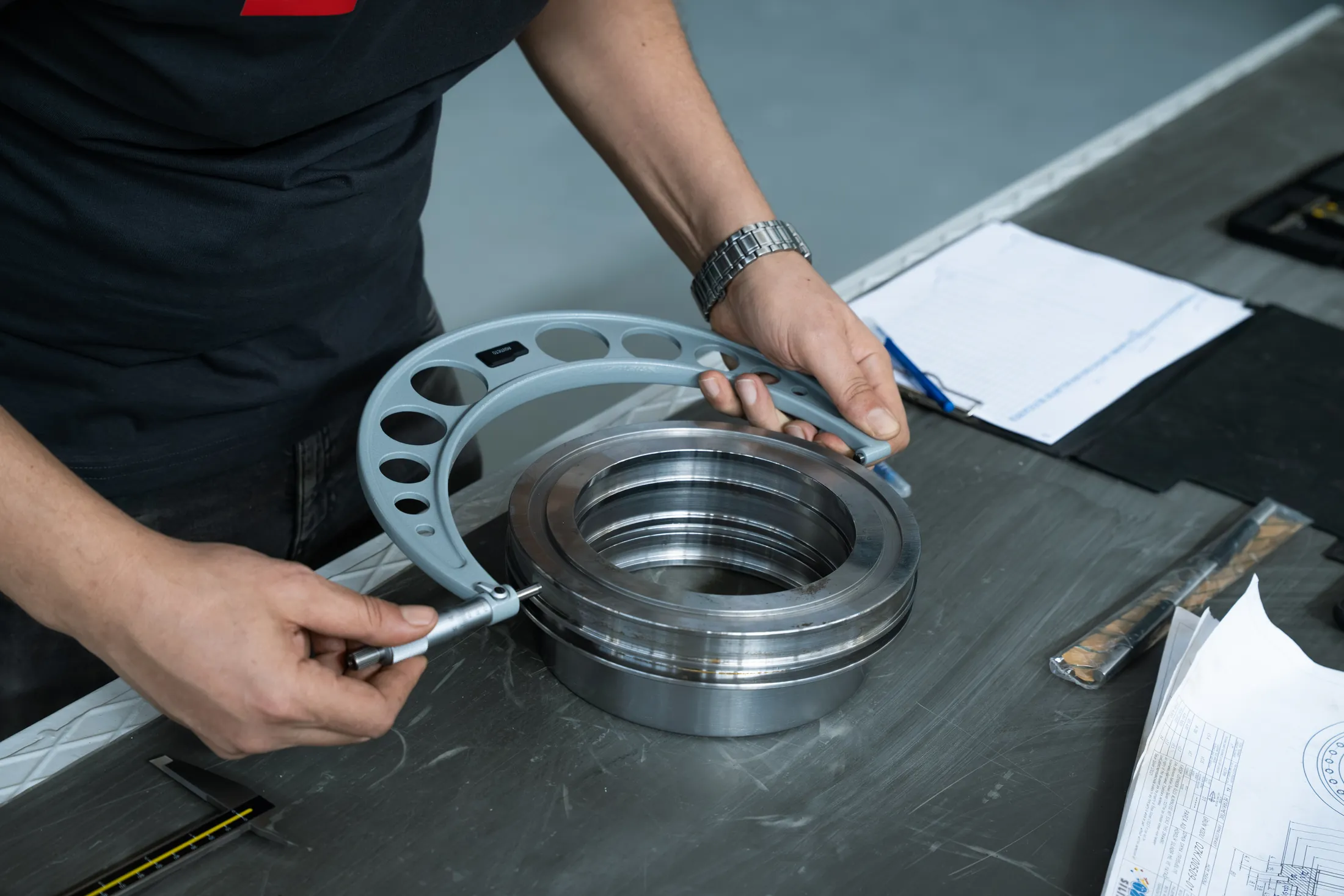
This is the inner diameter of the barrel, and it directly determines the force the cylinder can produce. At the same pressure, doubling the piston diameter quadruples the force. Standard diameters according to ISO 3320 run as 25, 32, 40, 50, 63, 80, 100, 125, 140, 160, 180, 200 mm and above.
2. Rod (shaft) diameter — d
Rod diameter affects pull force, buckling resistance and retraction speed. For long-stroke cylinders and those working under push loads, a thicker rod is needed to resist buckling. Examples of common piston/rod pairings:
| Piston diameter (mm) | Common rod diameters (mm) |
|---|---|
| 50 | 28 · 36 |
| 63 | 36 · 45 |
| 80 | 45 · 56 |
| 100 | 56 · 70 |
| 125 | 70 · 90 |
| 160 | 90 · 110 |
| 200 | 110 · 140 |
3. Stroke — S
This is the distance the rod travels from the fully retracted position to the fully extended position. It is determined by the travel distance the machine requires; for long strokes, the rod diameter and guiding should also be checked.
4. Retracted length
This is the distance between the centers of the two mounting points when the cylinder is fully retracted. It is one of the most critical dimensions for an exact fit on an existing machine; the extended length is the sum of the retracted length and the stroke.
5. Mounting types and dimensions
The type of the rear and front mounting (clevis eye, spherical rod end, flange, trunnion, foot) should be specified, along with the pin diameter, eye width and flange hole dimensions. If the mounting dimensions are wrong, the cylinder cannot be fitted to the machine even if the diameter is correct.
6. Working pressure
The system's normal working pressure and any peak pressures should be stated in bar. Pressure directly affects the barrel wall thickness, the choice of sealing elements and the required piston diameter.
7. Oil inlet ports
The thread type of the ports (BSP, metric, SAE flange, etc.), their size and their position on the cylinder should be specified. This information is important so that the existing hose connections can be used without modification.
8. Operating conditions
Ambient temperature, dust, exposure to water or chemicals, duty frequency (cycles per day), speed requirements and side-load conditions affect the choice of materials and seals. For example, high-temperature iron and steel plants and port equipment in marine environments require different solutions.
Practical tips for taking measurements
- Take measurements with a caliper or tape measure while the cylinder is fully retracted.
- Measure the rod diameter on an undamaged section of the rod.
- Take photos showing the whole cylinder, its mountings and its ports.
- If there is a label, drawing number or manufacturer information on the body, photograph it.
- Be sure to provide the make and model of the machine.
To see force, area, oil volume and speed values, you can use our hydraulic cylinder calculator; the tool also transfers the dimensions you enter to the quote form. For information about cylinder types, see our article on hydraulic cylinder types, and for maintenance of your existing cylinder, see hydraulic cylinder refurbishment.
Are your measurements ready? Send the details and photos via the contact form, and the Özkan Silindir team will get back to you about new manufacturing or refurbishment.